
Web3 NFTs Lagos Event: Experts & Artists Discuss Future
Experts and artists gathered at a Lagos event to discuss Web3 NFTs, blockchain technology, and the future of digital art in Africa.

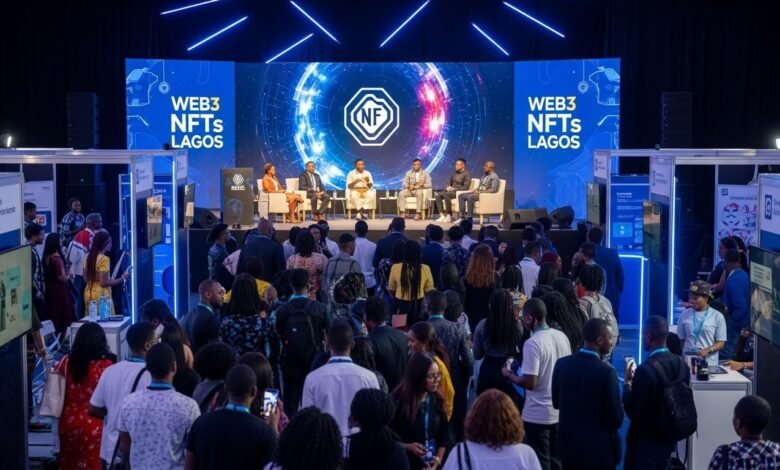
The vibrant city of Lagos recently became the epicenter of digital innovation as industry leaders, blockchain experts, and creative artists converged for a groundbreaking discussion on the future of digital assets. The Web3 NFTs Lagos event brought together forward-thinking minds to explore how decentralized technologies are reshaping the creative economy across Africa.
This landmark gathering highlighted Nigeria’s growing position as a technological powerhouse on the continent, with participants delving deep into conversations about blockchain technology, digital ownership, and the transformative potential of non-fungible tokens for African creators. As the world continues its rapid shift toward decentralized systems, this Lagos conference demonstrated that Africa is not merely observing this revolution from the sidelines but actively participating in shaping its trajectory.
Significance of Web3 and NFTs in Africa
The discussion surrounding the Web3 NFTs Lagos event reflects a broader continental awakening to the possibilities that decentralized technologies present. Africa has historically faced challenges with traditional financial systems, infrastructure limitations, and barriers to global market access. However, the emergence of blockchain technology and Web3 frameworks offers African creators unprecedented opportunities to bypass traditional gatekeepers and connect directly with global audiences. The event emphasized how non-fungible tokens represent more than just digital collectibles; they embody a fundamental shift in how creative work is valued, distributed, and monetized across borders.
Nigeria, in particular, has emerged as a leading force in cryptocurrency adoption and blockchain innovation across the African continent. With a young, tech-savvy population and a thriving creative industry spanning music, visual arts, and digital content creation, the nation provides fertile ground for Web3 adoption. The Lagos gathering showcased numerous success stories of Nigerian artists who have leveraged NFT marketplaces to achieve financial independence and international recognition without relying on traditional intermediaries.
Key Discussions from Industry Experts at the Lagos Conference
Experts at the Web3 NFTs Lagos event addressed critical topics that are shaping the future of decentralized technology in Africa. The conversation extended beyond theoretical frameworks to practical applications that are already transforming lives and livelihoods. Blockchain specialists presented compelling data demonstrating how cryptocurrency Africa adoption rates continue to outpace many developed regions, driven by necessity, innovation, and a young demographic eager to embrace new technologies.
One particularly enlightening discussion centered on infrastructure challenges and solutions. Participants acknowledged that while Web3 promises democratization of access, practical barriers such as internet connectivity, device accessibility, and digital literacy remain significant hurdles. However, speakers highlighted innovative approaches being developed specifically for African contexts, including mobile-first platforms, offline transaction capabilities, and educational initiatives designed to bring more people into the decentralized technology ecosystem.
The security and authenticity aspects of blockchain technology received substantial attention during panel discussions. Experts explained how the immutable nature of blockchain records provides African artists with powerful tools for protecting intellectual property and ensuring proper attribution. This technological safeguard addresses longstanding issues of art theft and unauthorized reproduction that have historically plagued creative communities across the continent.
Artists Share Transformative Experiences with NFT Technology
The artistic perspective brought invaluable depth to the Web3 NFTs Lagos event, with several established and emerging creators sharing their personal journeys into the digital assets space. Visual artists discussed how NFT marketplaces have enabled them to reach collectors worldwide without the geographical and financial constraints that traditional gallery systems impose. These firsthand accounts illustrated the life-changing potential of Web3 platforms for African creative professionals.
Musicians and digital content creators also participated in conversations about how smart contracts embedded in NFTs ensure ongoing royalty payments whenever their work is resold. This revolutionary feature addresses a historical injustice where artists often saw their work appreciate significantly in value without receiving any subsequent compensation. The automated, transparent nature of blockchain royalty distribution represents a paradigm shift that could fundamentally alter the economics of creative careers.
Photographers and digital illustrators showcased their NFT collections during the event, demonstrating the technical and aesthetic possibilities that emerge when traditional African artistic heritage meets cutting-edge digital technology. These presentations highlighted how cultural narratives, indigenous aesthetics, and contemporary African experiences are finding new audiences and generating economic value through decentralized platforms. The fusion of cultural authenticity with technological innovation emerged as a powerful theme throughout the conference.
The Role of Education and Community Building in Web3 Adoption
A significant portion of the Web3 NFTs Lagos event focused on educational initiatives and community development strategies. Speakers emphasized that widespread Web3 adoption requires more than just technological infrastructure; it demands comprehensive education that demystifies complex concepts and makes blockchain technology accessible to non-technical users. Several organizations presented their curriculum and outreach programs designed to introduce students, artists, and entrepreneurs to the fundamentals of decentralized technology.
Community building emerged as another critical success factor discussed extensively at the Lagos gathering. Unlike traditional hierarchical business structures, Web3 ecosystems thrive on collaborative networks and shared governance models. Participants explored how African communities, with their strong traditions of collective action and mutual support, are uniquely positioned to embrace these decentralized organizational frameworks. The concept of decentralized autonomous organizations gained particular attention as a potential model for creative collectives and economic cooperatives.
Mentorship programs connecting experienced blockchain developers with newcomers received praise as essential mechanisms for knowledge transfer and skill development. The event featured testimonials from individuals who had transitioned into Web3 careers through such programs, demonstrating tangible pathways for economic empowerment. These success stories provided concrete evidence that the cryptocurrency Africa movement extends beyond speculation into genuine wealth creation and professional development opportunities.
Challenges and Opportunities in the African NFT Marketplace
While optimism pervaded the Web3 NFTs Lagos event, participants engaged in honest discussions about challenges facing the African tech innovation landscape. Regulatory uncertainty emerged as a primary concern, with different countries across the continent taking varied approaches to cryptocurrency and blockchain regulation. Experts called for more progressive, innovation-friendly regulatory frameworks that protect consumers without stifling technological development.
The environmental impact of certain blockchain networks sparked thoughtful debate, particularly regarding energy consumption associated with proof-of-work systems. However, speakers highlighted the shift toward more sustainable proof-of-stake mechanisms and emphasized that African Web3 projects have opportunities to prioritize environmental responsibility from their inception. This consciousness reflects broader continental concerns about climate change and sustainable development.
Market volatility and financial risk received appropriate attention, with experts stressing the importance of education about digital assets investment principles. The conversation acknowledged that while NFTs and cryptocurrency present tremendous opportunities, they also carry risks that potential participants must understand. Financial literacy initiatives tailored to the Web3 context were identified as crucial protective measures for newcomers to the space.
Technological Infrastructure and Internet Connectivity Considerations
The Web3 NFTs Lagos event addressed fundamental infrastructure questions that influence blockchain technology accessibility across Africa. Internet penetration rates, while improving, remain uneven across the continent, creating digital divides that could exclude significant populations from participating in the Web3 economy. Panelists discussed innovative solutions including satellite internet initiatives, community network projects, and mobile-optimized platforms designed for lower bandwidth environments.
The cost of data and devices represents another barrier to universal Web3 adoption that received attention during discussions. Participants explored models for subsidized access, shared devices, and progressive web applications that minimize data usage while maintaining functionality. These practical considerations demonstrate the depth of thinking required to make decentralized technology genuinely inclusive rather than creating new forms of exclusion.
Interoperability between different blockchain networks emerged as both a technical challenge and an opportunity. Experts explained how cross-chain functionality could allow African users to participate in multiple ecosystems without being locked into single platforms. This flexibility could prove particularly valuable in a continent characterized by diversity of languages, currencies, and economic systems.
The Future of Digital Art and Creative Economy in Nigeria
Nigeria’s position at the forefront of African tech innovation was a source of pride throughout the Web3 NFTs Lagos event. Speakers projected that the nation’s creative economy, already valued at billions of dollars, could experience exponential growth through strategic NFT marketplace integration and Web3 adoption. The convergence of Nigeria’s substantial creative talent pool with emerging blockchain infrastructure creates conditions for a potential economic boom in digital creative sectors.
The metaverse development conversation revealed exciting possibilities for African cultural representation in virtual spaces. Artists and developers discussed creating immersive experiences that showcase African heritage, contemporary culture, and futuristic visions within decentralized virtual worlds. These digital environments could serve both cultural preservation and economic generation functions, allowing global audiences to experience African creativity in innovative formats.
Gaming emerged as another frontier where Web3 principles could transform African participation in the global digital economy. Play-to-earn models that reward players with cryptocurrency or NFT assets have already gained traction across the continent. The Lagos event featured game developers explaining how they integrate blockchain technology to create economic opportunities for players while building engaging entertainment experiences.
Investment Trends and Economic Implications for African Creators
The financial dimensions of the Web3 NFTs Lagos event provided crucial context for understanding the economic transformation underway. Venture capital investment in African blockchain startups has increased dramatically over recent years, signaling international confidence in the continent’s Web3 potential. Speakers presented data showing that African NFT projects are attracting significant capital, with some individual creators earning life-changing sums from their digital art sales.
The democratization of investment opportunities through fractional NFT ownership sparked particularly animated discussions. This innovation allows multiple investors to share ownership of high-value digital assets, lowering barriers to entry and creating new forms of collective investment. For African creators, this means their work can attract support from numerous small investors rather than depending on single wealthy patrons, distributing economic benefits more broadly.
Smart contracts were explored not just as technical mechanisms but as tools for economic justice. Automated royalty systems, transparent payment distribution, and programmable rights management offer solutions to longstanding problems in creative industries where artists frequently experienced exploitation or unfair compensation. The blockchain-based verification of ownership and provenance also combats art fraud, protecting both creators and collectors.
Cultural Preservation Through Digital Assets and Blockchain
An unexpected but powerful theme emerged at the Web3 NFTs Lagos event around cultural preservation and heritage documentation. Historians and cultural advocates discussed how NFTs could serve as permanent, verifiable records of cultural artifacts, traditional art forms, and historical narratives. The immutable nature of blockchain records offers unprecedented security for cultural documentation, potentially outlasting physical archives vulnerable to deterioration or destruction.
Indigenous communities showed particular interest in using decentralized technology to maintain control over their cultural intellectual property. The conversation addressed how traditional knowledge, artistic techniques, and cultural symbols could be protected through blockchain-verified attribution systems that respect community ownership while allowing appropriate sharing. This application of Web3 principles aligns with African values of communal stewardship and collective heritage.
Digital museums and virtual cultural centers represent another exciting possibility discussed at the Lagos gathering. These platforms could make African art and history accessible to global audiences while generating sustainable revenue for cultural institutions through NFT sales and virtual experiences. The technology offers solutions to physical access limitations while creating new funding models for cultural preservation initiatives.
Regulatory Landscape and Policy Recommendations for Web3 Growth
The Web3 NFTs Lagos event dedicated substantial time to regulatory considerations, recognizing that supportive policy frameworks are essential for sustainable growth. Legal experts presented comparative analyses of cryptocurrency regulations across different African nations, identifying best practices and cautioning against overly restrictive approaches that could stifle innovation. The consensus favored balanced regulation that protects consumers while encouraging technological experimentation.
Tax implications of NFT transactions and cryptocurrency holdings received detailed examination, with calls for clear guidance that acknowledges the unique characteristics of digital assets. Participants urged policymakers to develop nuanced frameworks that distinguish between different types of blockchain-based activities rather than applying one-size-fits-all approaches. Education for regulatory bodies about Web3 technologies was identified as a prerequisite for effective policymaking.
Intellectual property law emerged as another domain requiring updates to accommodate blockchain-based ownership verification and smart contract rights management. Legal scholars at the event proposed framework legislation that could provide legal certainty for NFT creators and purchasers while respecting existing copyright protections. These discussions reflected the broader challenge of adapting twentieth-century legal systems to twenty-first-century technological realities.
Collaboration Between Traditional Institutions and Web3 Platforms
The Web3 NFTs Lagos event explored productive partnerships between established institutions and emerging decentralized platforms. Several traditional galleries and auction houses shared their experiences integrating NFT offerings alongside physical artwork, demonstrating that blockchain technology complements rather than replaces conventional art markets. These hybrid models acknowledge that different collectors have varying preferences while expanding opportunities for artists.
Educational institutions participating in the conference discussed curriculum development incorporating blockchain fundamentals, cryptocurrency economics, and digital asset creation. Universities and technical colleges across Nigeria are increasingly recognizing that Web3 literacy represents an essential twenty-first-century skill. Partnership models between academic institutions and blockchain companies were presented as mechanisms for ensuring relevant, current training.
Financial institutions showed growing interest in cryptocurrency services and blockchain-based products, with several banks represented at the Lagos event. These traditional financial players discussed how they might facilitate on-ramps between conventional currency and digital assets, potentially accelerating Web3 adoption by making participation more accessible for people unfamiliar with purely decentralized systems.
Success Stories: African Artists Thriving in the NFT Space
The Web3 NFTs Lagos event celebrated numerous success stories that illustrated the transformative potential of NFT marketplaces for African creators. Individual artists shared journeys from financial struggle to international recognition and substantial income through strategic digital asset creation and community engagement. These testimonials provided inspiration while offering practical insights about effective strategies for NFT success.
Collective projects received attention as powerful models for amplifying impact. Several artist cooperatives discussed how pooling resources, sharing knowledge, and presenting unified collections enhanced their visibility in crowded NFT marketplaces. These collaborative approaches reflect African traditions of communal action while leveraging Web3 tools for collective benefit. The success of these groups demonstrated that individual success and community empowerment need not conflict.
Cross-industry collaborations between visual artists, musicians, and technologists showcased the multidisciplinary potential of blockchain technology. Projects combining visual art, original music, and interactive elements created compelling experiences that commanded premium prices in NFT markets. These innovations demonstrated that African creators are not merely adopting existing Web3 formats but actively innovating and expanding possibilities within the space.
The Path Forward: Building a Sustainable Web3 Ecosystem in Africa
As the Web3 NFTs Lagos event drew toward conclusion, conversations shifted toward long-term sustainability and strategic development. Participants emphasized that creating a lasting Web3 presence requires more than initial enthusiasm; it demands systematic infrastructure development, ongoing education, thoughtful regulation, and strong community institutions. The African blockchain ecosystem must build foundations that support continuous innovation and broad participation.
Environmental sustainability emerged as a non-negotiable priority for Africa’s Web3 future. Speakers committed to prioritizing energy-efficient blockchain networks and exploring renewable energy integration for mining and validation activities. This environmental consciousness reflects both practical concerns about Africa’s vulnerability to climate change and ethical commitments to responsible technological development.
The importance of documenting and sharing African Web3 experiences received emphasis as the event concluded. Participants agreed that African voices must shape global conversations about decentralized technology rather than simply adopting frameworks developed elsewhere. This assertiveness reflected growing confidence in African technological capabilities and the determination to ensure that Web3 development reflects diverse global perspectives.
Conclusion
The Web3 NFTs Lagos event demonstrated unequivocally that Africa stands at the forefront of the global decentralized technology revolution. From the vibrant discussions about blockchain innovation to the inspiring testimonials from artists whose lives have been transformed through NFT marketplaces, this gathering showcased the tremendous potential that Web3 holds for African creators and communities. The conversations extended beyond mere technology adoption to envision how decentralized platforms might address longstanding economic inequalities and create pathways to prosperity for millions across the continent.
As blockchain technology continues evolving and cryptocurrency Africa adoption accelerates, events like this Lagos conference serve crucial functions in building knowledge, fostering community, and inspiring action. The future of digital assets and Web3 in Africa depends on continued education, strategic infrastructure investment, supportive regulatory frameworks, and most importantly, the creativity and determination of African innovators who refuse to be left behind in the digital revolution.
Whether you are an artist exploring NFT marketplaces, a developer interested in blockchain technology, or an entrepreneur seeking opportunities in the Web3 space, the lessons and connections from this Web3 NFTs Lagos event provide valuable guidance. The African creative economy stands poised for transformation, and the time to participate in shaping that future is now. Join the conversation, educate yourself about decentralized technology, and discover how you can contribute to building an inclusive, prosperous Web3 ecosystem that benefits creators and communities across Africa and beyond.
