
NFT Market Cap Drops $1.2B as Ether Rally Stalls
NFT market cap falls $1.2B amid Ether's stalled rally. Pudgy Penguins overtake Bored Apes in historic market shift. Latest NFT trends analyzed.

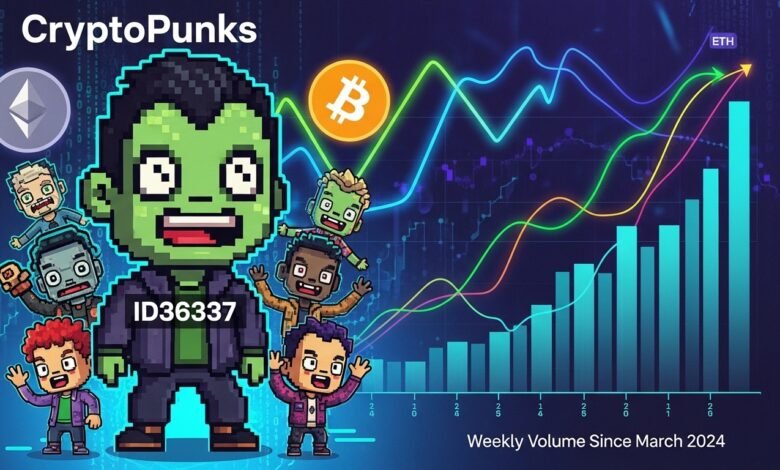
The NFT market cap drops by $1.2 billion in a dramatic downturn that has sent shockwaves through the digital collectibles community. This significant decline comes at a critical juncture when the broader cryptocurrency market, particularly Ethereum, has experienced a stalled rally that many investors had anticipated would continue its upward trajectory. The correlation between NFT market trends and Ethereum’s performance has never been more evident, as collectors and traders watch their portfolio values diminish alongside the flagship cryptocurrency’s momentum loss. What makes this market movement particularly noteworthy is the simultaneous power shift among blue-chip collections, with Pudgy Penguins achieving what many thought impossible just months ago—overtaking the once-dominant Bored Ape Yacht Club in key market metrics. This unprecedented development signals a fundamental transformation in how the market values different NFT projects and raises important questions about sustainability, utility, and community engagement in the digital collectibles valuation landscape.
$1.2 Billion NFT Market Decline
The recent NFT market cap drops represent more than just numbers on a screen; they reflect a fundamental reassessment of value within the digital asset ecosystem. When we examine the mechanics behind this billion-dollar decline, several interconnected factors emerge that paint a comprehensive picture of current market dynamics. The total market capitalization of non-fungible tokens has retreated from recent highs, with the most significant losses concentrated among collections that had previously enjoyed meteoric rises during the 2021-2022 boom period.
This market contraction didn’t occur in isolation. The Ethereum NFT ecosystem serves as the primary infrastructure for the majority of high-value NFT transactions, and when Ether’s price momentum stalls, it creates a cascading effect throughout the entire NFT marketplace. Investors who had been riding the wave of Ethereum’s appreciation suddenly found themselves reconsidering their positions in digital collectibles, particularly those priced in ETH rather than stable dollar values. The psychological impact of watching Ether fail to break through key resistance levels cannot be understated, as it dampened enthusiasm across all Ethereum-based assets.
Trading activity metrics reveal that the NFT trading volume has declined substantially across major marketplaces including OpenSea, Blur, and LooksRare. Daily transaction counts have fallen by nearly forty percent compared to the previous month, suggesting that both speculative traders and long-term collectors have adopted a wait-and-see approach. This reduction in liquidity has further exacerbated price declines, creating a challenging environment where sellers struggle to find buyers at previously established price points.
The Ethereum Connection: Why Ether’s Stalled Rally Matters
The relationship between Ethereum’s price performance and NFT market trends operates through multiple channels that extend beyond simple correlation. Ethereum serves as the native currency for most NFT transactions, meaning that when ETH prices stagnate or decline, the purchasing power of potential NFT buyers diminishes accordingly. Someone holding a fixed amount of Ether now has less dollar-denominated buying power than they did when ETH was trading at higher levels, naturally reducing demand for NFT acquisitions.
Ether’s stalled rally has been attributed to various macroeconomic factors including regulatory uncertainty, competition from other blockchain networks, and broader cryptocurrency market sentiment. The anticipated Ethereum price surge that many market participants expected in early 2026 has failed to materialize, leaving NFT holders in a particularly vulnerable position. Many collectors who purchased high-value NFTs when Ethereum was trading at premium levels now find themselves underwater on investments, even if the NFT’s ETH-denominated price has remained relatively stable.
The cryptocurrency market correlation with NFT valuations has strengthened considerably over the past year. Whereas NFT prices once moved somewhat independently based on collection-specific factors like roadmap execution and community strength, they now demonstrate a much tighter relationship with Ethereum’s price movements. This increased correlation suggests that NFTs are being treated more as speculative financial assets rather than unique digital collectibles with intrinsic value independent of the broader crypto market.
Gas fees on the Ethereum network also play a crucial role in NFT market dynamics. When network congestion increases and transaction costs rise, smaller traders are effectively priced out of the market, reducing overall trading activity and liquidity. The interplay between Ether price, gas costs, and NFT valuations creates a complex web of economic incentives that directly impacts whether the NFT market cap drops or rises during any given period.
Pudgy Penguins’ Historic Rise to Blue-Chip Status
Perhaps the most fascinating development amid the broader market decline has been Pudgy Penguins’ remarkable ascension within the NFT hierarchy. The Pudgy Penguins floor price has demonstrated impressive resilience and growth even as competitors have struggled to maintain value. This Antarctic-themed collection has successfully executed a transformation from a troubled project that changed hands in 2021 to one of the most valuable and culturally relevant NFT collections in existence.
The strategic vision implemented by current leadership has focused on building real-world utility and brand recognition beyond the blockchain. Pudgy Penguins toys have appeared in major retail chains including Walmart and Target, bringing the digital collection into physical spaces where millions of consumers encounter the brand. This merchandising strategy represents a blueprint that other NFT projects are now attempting to replicate, recognizing that sustainable value requires bridges between digital and physical worlds.
Community engagement has been another critical factor in Pudgy Penguins’ success story. The project maintains active communication channels with holders, regularly delivers on promised roadmap items, and has cultivated a positive, inclusive culture that stands in contrast to some of the more exclusive and elitist communities within the NFT space. This approach has attracted a diverse holder base that includes both long-term collectors and newer participants in the digital collectibles valuation ecosystem.
The collection’s social media presence has also been strategically leveraged to build brand awareness. Pudgy Penguins content regularly achieves viral reach on platforms like Twitter, Instagram, and TikTok, introducing the collection to audiences who may not actively participate in cryptocurrency markets. This broader cultural penetration has translated into sustained demand that appears more durable than the purely speculative interest that drives many NFT projects.
Bored Ape Yacht Club’s Declining Dominance
The Bored Ape Yacht Club market position has undergone a significant transformation from its previous status as the undisputed leader in the NFT space. Once commanding floor prices that exceeded one hundred ETH during peak market conditions, the collection has experienced substantial value erosion that reflects both broader market challenges and project-specific concerns. The symbolic importance of Pudgy Penguins overtaking BAYC in market capitalization cannot be overstated, as it represents a changing of the guard among blue-chip NFTs.
Yuga Labs, the company behind Bored Ape Yacht Club, has pursued an ambitious expansion strategy that includes launching new collections, developing metaverse experiences, and creating the ApeCoin token economy. While these initiatives demonstrate forward-thinking ambition, they have also diluted focus and spread resources across multiple projects rather than concentrating exclusively on enhancing value for original BAYC holders. Some community members have expressed frustration with the pace of development and the perceived prioritization of new ventures over core collection support.
Celebrity ownership, which once served as a powerful marketing tool for Bored Ape Yacht Club, has become a double-edged sword. As various high-profile figures have sold their apes or distanced themselves from NFT advocacy, the collection has lost some of the cultural cachet that previously justified premium valuations. The departure of celebrity holders often generates negative headlines that impact market sentiment and discourage potential new buyers from entering at current price levels.
Competition from newer collections with fresh narratives and innovative utility propositions has also eroded Bored Ape’s market share. The NFT landscape has matured considerably since BAYC’s 2021 launch, and collectors now have numerous alternatives when seeking prestigious digital assets. The combination of increased competition, broader market headwinds, and internal strategic challenges has created an environment where the NFT market cap drops have disproportionately affected previously dominant collections.
Market Analysis: Winners and Losers in the Current Climate
Examining the current NFT market analysis reveals a clear bifurcation between projects that have adapted to changing market conditions and those struggling to maintain relevance. Collections that prioritize tangible utility, consistent community engagement, and revenue generation beyond initial mints have generally demonstrated greater price stability. In contrast, projects built primarily on speculation and hype without substantive long-term value propositions have experienced the steepest declines.
Gaming-integrated NFTs have emerged as a category showing relative strength despite broader market weakness. Projects that successfully incorporate their NFTs into playable games with genuine entertainment value have maintained engaged user bases that provide organic demand independent of speculative trading. This utility-driven demand creates a floor of intrinsic value that purely collectible NFTs lack, offering downside protection during market corrections.
Generative art collections from established artists have similarly demonstrated resilience compared to the broader market. Collectors who view these pieces as digital art rather than speculative investments have maintained holding conviction even as floor prices have adjusted downward. The cultural significance and aesthetic merit of collections from artists like Tyler Hobbs, Dmitri Cherniak, and other Art Blocks creators provide value that transcends short-term market fluctuations.
Conversely, derivative projects and collections launched during market peaks without clear differentiation have suffered catastrophic value losses. Many of these collections have seen floor prices drop by over ninety percent from all-time highs, with trading volume approaching zero as buyers lose interest entirely. These failures serve as cautionary tales about the importance of authentic creativity and sustainable business models in the NFT investment strategies landscape.
The Role of Market Sentiment and Psychology
Social media dynamics significantly influence NFT market psychology. Twitter threads, Discord discussions, and influencer commentary can rapidly shift sentiment around particular collections or the broader market. The echo chamber effect within NFT communities can amplify both positive and negative narratives, creating momentum that drives prices beyond levels justified by fundamental factors. When negative sentiment takes hold and the NFT market cap drops, this social feedback loop accelerates declines as holders rush to exit before further losses occur.
The sunk cost fallacy affects many NFT holders who purchased at peak prices and now face difficult decisions about whether to realize losses or continue holding in hopes of recovery. This psychological trap can create downward pressure as capitulation occurs in waves, with each group of sellers setting new lower price references that discourage remaining holders. Breaking free from this pattern requires either significant positive catalysts or sufficient time for underwater holders to reach psychological acceptance of their situations.
FOMO (fear of missing out) and FUD (fear, uncertainty, and doubt) represent opposing psychological forces that alternately drive and suppress NFT market activity. During bull markets, FOMO attracts new participants who drive prices higher through competitive bidding and speculative accumulation. When markets turn and FUD prevails, these same participants become sellers whose urgency to exit exacerbates downward price pressure. Understanding these psychological patterns provides context for why NFT trading volume experiences such dramatic volatility compared to more established asset classes.
Technical Factors Influencing NFT Valuations
The infrastructure supporting NFT markets plays a crucial role in determining how the digital collectibles valuation evolves over time. Marketplace innovation has expanded dramatically since the early days when OpenSea held near-monopoly status. Platforms like Blur have introduced novel trading mechanisms including sophisticated lending protocols, real-time bidding systems, and trader reward programs that have fundamentally altered market dynamics and liquidity provision.
Royalty enforcement has emerged as a contentious issue with significant implications for project sustainability and creator economics. Some marketplaces have made royalties optional or eliminated them entirely to attract trading volume, while others maintain mandatory royalty payments to support creators and project development. This fragmentation has created arbitrage opportunities and complicated the value proposition for collections that depend on secondary royalty revenue to fund ongoing operations and holder benefits.
Lending protocols built specifically for NFTs have introduced leverage into markets that previously operated on a cash-only basis. Platforms like Blend, NFTfi, and Arcade allow holders to borrow against their NFT collateral, unlocking liquidity without selling assets. While this increases capital efficiency, it also introduces liquidation risks that can amplify downside volatility when collateral values decline. The interaction between lending liquidations and falling floor prices creates feedback loops that accelerate the NFT market cap drops during stress periods.
Cross-chain infrastructure development has begun expanding NFT liquidity beyond Ethereum’s ecosystem. Collections on Solana, Polygon, Bitcoin Ordinals, and other chains have attracted distinct communities with different risk profiles and investment theses. This diversification reduces systemic risk concentrated in Ethereum-based NFTs while simultaneously fragmenting liquidity across multiple platforms and technical standards. The impact on Ethereum NFT ecosystem dominance remains an evolving dynamic with important implications for future market structure.
Institutional Participation and Market Maturation
The evolution of institutional involvement in NFT markets represents a critical factor in understanding current valuation trends and future trajectory. Major brands including Nike, Adidas, Starbucks, and Tiffany have launched NFT initiatives that bring mainstream credibility and substantial marketing budgets to the space. These corporate entries validate NFTs as a legitimate digital medium while introducing new use cases beyond pure speculation and collectibility.
Traditional financial institutions have begun offering NFT-related services including custody solutions, valuation services, and even lending products secured by blue-chip digital collectibles. This institutional infrastructure development suggests growing confidence in NFTs as an enduring asset class rather than a temporary speculative mania. However, institutional participation also introduces regulatory considerations and compliance requirements that could reshape how NFT markets operate over time.
Venture capital investment in NFT-related companies and protocols has continued despite broader market weakness, indicating sophisticated investors maintain conviction in long-term growth potential. Companies building NFT infrastructure, gaming platforms, and creator tools have raised significant funding rounds that provide runway to execute multi-year development roadmaps. This patient capital contrasts with the short-term speculation that drives much retail NFT trading and suggests a foundation for sustainable market growth.
The professionalization of NFT trading through specialized funds and prop trading firms has increased market efficiency while potentially reducing opportunities for uninformed retail participants to profit from information asymmetries. These sophisticated actors employ data analytics, automated trading systems, and network intelligence that provide advantages over casual collectors. The presence of professional participants contributes to tighter spreads and more rational pricing but may also concentrate profits among market makers rather than distributing gains broadly across the community.
Regulatory Landscape and Compliance Considerations
Regulatory clarity around NFT classification and treatment remains a work in progress with significant implications for market development. Authorities in various jurisdictions are grappling with whether particular NFTs should be treated as securities, commodities, collectibles, or entirely new asset categories requiring novel regulatory frameworks. This uncertainty creates compliance challenges for projects, platforms, and participants while potentially deterring more risk-averse investors from entering the market.
Taxation of NFT transactions presents complex questions that many holders have inadequately addressed. Capital gains treatment, income classification for creators, and reporting requirements vary by jurisdiction and circumstance. As tax authorities have become more sophisticated in tracking blockchain transactions, NFT participants face increasing pressure to maintain accurate records and report transactions properly. This compliance burden may influence trading behavior and reduce speculative activity that characterized earlier market phases.
Anti-money laundering concerns have focused regulatory attention on high-value NFT transactions and platforms facilitating anonymous trading. Marketplaces have implemented increasingly stringent know-your-customer procedures and transaction monitoring systems to satisfy regulatory expectations and maintain banking relationships. While these measures enhance market legitimacy, they also reduce the permissionless accessibility that some participants view as fundamental to crypto-native culture.
Intellectual property rights associated with NFT ownership represent another area where legal clarity continues developing through precedent and negotiation. The scope of commercial usage rights, derivative creation permissions, and brand exploitation privileges varies significantly across collections and requires careful attention from both holders and project teams. Disputes arising from ambiguous licensing terms could impact valuations if courts establish precedents that limit holder rights beyond initial expectations.
Future Outlook: Recovery Scenarios and Catalysts
Analyzing potential pathways for NFT market recovery requires considering both macro factors affecting all digital assets and micro factors specific to particular projects and categories. A sustained rally in Ethereum price would likely provide the most powerful catalyst for NFT market cap growth, as improved ETH valuations increase nominal purchasing power and renew speculative interest. However, relying solely on cryptocurrency price appreciation represents a fragile foundation for sustainable NFT market health.
Innovation in utility and user experience could drive a new wave of adoption that attracts participants motivated by functional value rather than pure speculation. Projects successfully integrating NFTs into compelling gaming experiences, membership systems, or creative platforms demonstrate that digital tokens can provide genuine utility beyond tradable collectibles. Expanding this utility-driven adoption could establish more durable demand that withstands cryptocurrency market volatility.
Mainstream cultural integration through continued celebrity adoption, major brand activations, and media representation could broaden the addressable market beyond crypto-native audiences. When NFT ownership becomes normalized across wider demographic segments, the total potential buyer base expands dramatically while reducing dependence on cryptocurrency enthusiasts who may withdraw during bear markets. This cultural expansion represents a multi-year process that could fundamentally transform NFT market dynamics.
Technical infrastructure improvements including layer-two scaling solutions, improved wallet user experiences, and simplified on-ramps for non-technical users could reduce friction that currently limits broader adoption. Many potential NFT participants are deterred by complexity associated with wallet management, gas fees, and technical terminology. Projects and platforms that successfully abstract this complexity while maintaining security could unlock significant latent demand from audiences intimidated by current technical requirements.
Investment Strategies for the Current Market Environment
Navigating the current NFT investment strategies landscape requires disciplined approaches that balance opportunity recognition with risk management. Dollar-cost averaging into blue-chip collections during market weakness allows investors to build positions gradually while avoiding the psychological pressure of attempting to time exact market bottoms. This methodical accumulation strategy works particularly well for collections with strong fundamentals and communities likely to survive extended bear markets.
Focusing on utility-bearing NFTs that provide ongoing value beyond speculative price appreciation offers downside protection during market corrections. Collections granting access to exclusive events, commercial rights, gaming assets, or membership benefits maintain value propositions independent of secondary market prices. Even if floor prices decline, holders continue receiving utility that justifies ownership, reducing pressure to sell during unfavorable market conditions.
Diversification across NFT categories, blockchain networks, and price points helps manage concentration risk inherent in holding unique digital assets. A portfolio spanning blue-chip collectibles, gaming NFTs, generative art, and domain names distributes risk across assets with different drivers and correlation patterns. This diversification provides resilience when particular categories or collections experience category-specific challenges while allowing participation in multiple potential growth areas.
Maintaining sufficient liquidity to capitalize on distressed opportunities represents a crucial component of successful NFT investing during market downturns. When the NFT market cap drops create temporary mispricing, investors with available capital can acquire assets below intrinsic value from holders facing forced liquidations or psychological capitulation. This contrarian approach requires patience and conviction to buy when sentiment is most negative, but historically produces superior long-term results across asset classes.
Conclusion
The NFT market cap drops by $1.2 billion amid Ethereum’s stalled rally represents more than a temporary setback; it marks a maturation phase where the market separates sustainable projects from speculative fads. The historic overtaking of Bored Ape Yacht Club by Pudgy Penguins demonstrates that success in this evolving landscape requires authentic community building, tangible utility development, and adaptability to changing market conditions. As the digital collectibles valuation environment continues transforming, collectors and investors who focus on fundamental value creation rather than pure speculation will be best positioned for long-term success.
The current market environment offers both challenges and opportunities for those willing to approach NFTs with discipline and perspective. While short-term price action may discourage traders seeking quick profits, the infrastructure development, institutional adoption, and utility innovation occurring beneath surface volatility suggests a maturing market building foundations for sustainable growth. Understanding how NFT market trends correlate with broader cryptocurrency markets while appreciating the unique factors that drive individual collection performance provides the analytical framework necessary for informed decision-making.
Whether you’re a seasoned collector weathering market turbulence or a newcomer considering entry points, the lessons from current market dynamics emphasize the importance of community strength, utility delivery, and cultural relevance over hype-driven speculation. The NFT market cap drops create opportunities for those with conviction and capital to acquire quality assets at discounted valuations while testing the resolve of projects lacking substantive value propositions. As this market continues evolving, participants who prioritize sustainable fundamentals over short-term speculation will ultimately define the next chapter of NFT history.
Stay informed about the latest NFT market analysis by following reputable sources, engaging with project communities, and conducting thorough research before making investment decisions in this dynamic and rapidly evolving digital asset class.
See more;Crypto Market Fear Top Coins Record Major Losses Today
