
Did DOJ Prosecutors Violate Trump’s Order Selling Bitcoin?
Analysis of DOJ prosecutors selling forfeited Samourai Wallet Bitcoin amid Trump's executive order. Legal implications and cryptocurrency policy explored.

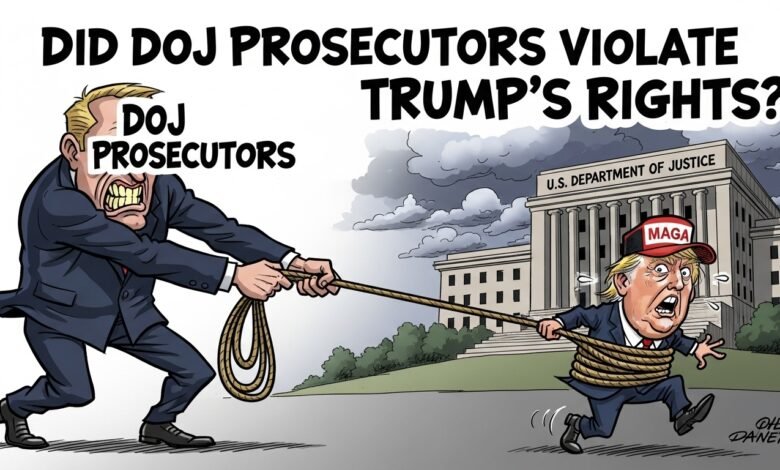
DOJ prosecutors selling forfeited Bitcoin from the Samourai Wallet case may have occurred after President Trump’s executive order regarding digital asset management. This controversial situation raises fundamental questions about executive authority, prosecutorial independence, and the government’s approach to managing seized cryptocurrency. The timing of this Bitcoin sale has prompted legal scholars, cryptocurrency advocates, and political observers to scrutinize whether federal prosecutors acted within their authority or potentially violated presidential directives. Understanding this complex situation requires examining the executive order’s scope, the Department of Justice’s asset forfeiture procedures, and the broader implications for cryptocurrency forfeiture policy in America.
Samurai Wallet Case and Bitcoin Seizure
The Samourai Wallet investigation represents one of the most significant federal actions against cryptocurrency privacy tools in recent years. Federal authorities accused the developers and operators of Samourai Wallet of facilitating money laundering through their privacy-focused cryptocurrency mixing service. The platform, which allowed users to obscure transaction trails on the Bitcoin blockchain, came under scrutiny for allegedly processing over two billion dollars in unlawful transactions.
Law enforcement agencies seized substantial amounts of Bitcoin connected to the Samourai Wallet operation during their investigation. These digital asset seizures typically undergo a legal process before the government can liquidate them. The forfeiture process involves court proceedings where the government must demonstrate that the assets were connected to criminal activity or represent proceeds from illegal operations.
The Samourai Wallet seizure highlights the tension between privacy advocacy in the cryptocurrency space and law enforcement concerns about criminal misuse of blockchain technology. Privacy advocates argue that tools like Samourai Wallet serve legitimate purposes, protecting financial privacy in an increasingly surveilled digital landscape. However, prosecutors contend that such services predominantly facilitate criminal activity including drug trafficking, ransomware payments, and sanctions evasion.
Trump’s Executive Order on Digital Assets and Cryptocurrency Policy
President Trump’s administration has taken several positions regarding cryptocurrency regulation and government management of digital assets. The executive order in question specifically addressed how federal agencies should handle seized and forfeited cryptocurrency, establishing new protocols for federal Bitcoin sales and digital asset management.
The Trump cryptocurrency directive reportedly emphasized strategic considerations for government-held digital assets, potentially including provisions about the timing of sales, market impact assessments, and coordination between agencies. Some interpretations suggest the order aimed to prevent the government from depressing cryptocurrency markets through large, poorly timed asset sales that could undermine the broader digital asset ecosystem.
Executive orders carry significant legal weight within the federal bureaucracy, directing how agencies implement and enforce existing laws. However, the precise scope and binding nature of presidential directives on prosecutorial decisions remain a subject of constitutional debate. The principle of prosecutorial independence suggests that individual case decisions, including asset disposal, should remain insulated from political interference.
Understanding whether DOJ prosecutors’ selling forfeited Bitcoin violated this executive order requires examining the specific language of the directive, the timeline of the Bitcoin sale, and the legal framework governing both executive orders and asset forfeiture procedures.
The Legal Framework of Cryptocurrency Forfeiture
Asset forfeiture law in the United States allows the government to seize property connected to criminal activity through either criminal or civil proceedings. Criminal forfeiture occurs as part of a criminal prosecution, while civil forfeiture can proceed independently based on probable cause that assets facilitated or resulted from illegal conduct.
The process for forfeiting cryptocurrency follows similar principles to traditional asset forfeiture but presents unique technical and legal challenges. Courts must determine ownership, trace blockchain transactions, and assess the legitimacy of claims from third parties who may have interacted with the seized assets unknowingly.
Once cryptocurrency is forfeited, the Department of Justice typically transfers custody to the United States Marshals Service, which manages the liquidation of seized assets. The Marshals Service has developed specific protocols for handling digital asset sales, often working with cryptocurrency exchanges and specialized vendors to convert Bitcoin and other digital currencies into United States dollars.
The timing and methodology of these sales involve complex considerations. Large Bitcoin sales can impact market prices, potentially reducing the value realized by the government. This economic reality has prompted calls for more sophisticated approaches to managing government-held cryptocurrency, including gradual liquidation strategies and market-aware timing.
Federal prosecutors generally maintain discretion over forfeiture proceedings within statutory bounds. However, this discretion exists within a hierarchical structure where Department of Justice leadership, and potentially executive branch directives, establish overarching policies that individual prosecutors must follow.
Did the Bitcoin Sale Violate Presidential Authority?
The central question of whether DOJ prosecutors selling forfeited Bitcoin from the Samourai Wallet case violated Trump’s executive order hinges on several legal and factual considerations. First, the precise timing of the sale relative to the executive order issuance matters significantly. If prosecutors initiated the sale before the order took effect, they would have acted within then-current guidelines.
Second, the scope and specificity of the executive order determines its applicability. Broad directives about cryptocurrency policy may not directly constrain prosecutorial decisions in ongoing cases, while specific instructions regarding asset disposal would carry more weight. Executive orders that conflict with statutory requirements or established legal procedures face challenges regarding their enforceability.
Third, the question of prosecutorial independence becomes paramount. The Department of Justice operates under constitutional principles that protect certain prosecutorial functions from political interference. While the President serves as the chief executive with authority over federal agencies, courts have recognized limits on executive authority over specific case decisions.
Legal experts offer varying perspectives on this situation. Some argue that executive order Bitcoin provisions should guide all federal agency actions regarding digital assets, including prosecutorial decisions about forfeited cryptocurrency. Others contend that case-specific decisions about asset liquidation fall within prosecutorial discretion that executive orders cannot override without violating separation of powers principles.
The political implications are substantial. If prosecutors indeed sold Bitcoin contrary to presidential directives, it could represent either bureaucratic resistance to executive authority or legitimate exercise of independent prosecutorial judgment. Conversely, strict compliance with executive orders in individual cases might raise concerns about improper political influence over law enforcement decisions.
The Broader Context of Federal Cryptocurrency Policy
This controversy unfolds against the backdrop of evolving federal cryptocurrency policy and ongoing debates about how the United States should approach digital asset regulation. The Trump administration has signaled a more cryptocurrency-friendly stance compared to previous regulatory approaches, promising to position America as a global leader in blockchain technology and digital finance.
However, law enforcement agencies continue prioritizing action against cryptocurrency platforms and services they view as facilitating criminal activity. This creates inherent tension between encouraging innovation in the digital asset space while preventing illicit use of blockchain privacy tools and cryptocurrency services.
The Samourai Wallet case exemplifies this tension. Privacy-enhancing technologies serve important functions in protecting financial freedom and resisting authoritarian surveillance. Yet these same tools can enable ransomware operators, sanctions evaders, and other criminals to obscure their financial activities. Striking the appropriate balance remains one of the most challenging aspects of cryptocurrency regulation.
Government management of seized cryptocurrency represents another dimension of this policy landscape. As law enforcement agencies accumulate substantial Bitcoin and other digital asset holdings through forfeitures, questions about optimal management strategies become increasingly important. The government’s approach to liquidating these assets affects not only the revenue realized from forfeitures but also broader cryptocurrency market dynamics.
Implications for Future Cryptocurrency Enforcement
The question of whether DOJ prosecutors selling forfeited Bitcoin violated executive authority has significant implications for future cryptocurrency enforcement actions. If executive orders can directly control prosecutorial decisions about asset disposal in individual cases, it fundamentally alters the relationship between political leadership and law enforcement operations.
This precedent could affect how prosecutors approach cryptocurrency cases going forward. Concerns about compliance with executive directives might influence charging decisions, plea negotiations, and asset management strategies. Alternatively, if prosecutorial independence prevails, it reinforces the principle that individual case decisions remain insulated from political considerations even when they involve politically significant assets like cryptocurrency.
The digital asset policy landscape continues evolving rapidly as both technology and regulatory approaches develop. Clear guidance from courts or legislative action may be necessary to resolve ambiguities about the intersection of executive authority, prosecutorial discretion, and cryptocurrency forfeiture procedures.
Cryptocurrency markets watch these developments closely, as government policies significantly impact digital asset valuations and investor confidence. Large-scale federal Bitcoin sales can depress prices temporarily, while policy uncertainty creates volatility that affects both legitimate cryptocurrency businesses and speculative traders.
Examining the Constitutional Questions
The constitutional dimensions of this controversy deserve careful consideration. The President’s authority to direct executive branch agencies derives from Article II of the Constitution, which vests executive power in the presidency. However, this authority operates within constitutional constraints including separation of powers principles and statutory limitations established by Congress.
The Department of Justice occupies a unique position within the executive branch. While the Attorney General serves at the President’s pleasure and implements presidential priorities, certain prosecutorial functions have traditionally maintained independence from direct political control. This independence protects against the appearance or reality of politically motivated prosecutions or favorable treatment for political allies.
Courts have addressed these issues in various contexts, establishing that while the President maintains broad authority over executive agencies, certain core prosecutorial decisions warrant protection from political interference. The question of where asset disposal decisions fall within this spectrum remains unsettled.
If DOJ prosecutors selling forfeited Bitcoin occurred contrary to executive directives, it might represent either improper insubordination or appropriate exercise of independent judgment depending on one’s constitutional interpretation. Alternatively, strict compliance with executive orders in individual cases might raise separation of powers concerns if it subjects prosecutorial decisions to inappropriate political influence.
The Technical Aspects of Bitcoin Forfeiture and Sales
Understanding this controversy requires appreciating the technical complexities of cryptocurrency forfeiture and liquidation. Unlike traditional assets, Bitcoin exists only as entries on a distributed blockchain ledger. Seizing Bitcoin requires obtaining private keys or compelling their disclosure, then transferring the cryptocurrency to government-controlled wallets.
The government has developed sophisticated capabilities for managing seized cryptocurrency, including secure storage solutions and procedures for verifying blockchain transactions. The United States Marshals Service has conducted numerous Bitcoin auctions over the years, developing expertise in timing sales to maximize returns while minimizing market disruption.
Large Bitcoin sales present unique challenges. Selling substantial amounts on exchanges can overwhelm market liquidity, driving down prices and reducing the value realized. This economic reality has prompted discussions about more sophisticated approaches including over-the-counter sales, gradual liquidation strategies, and potentially even holding Bitcoin as a strategic reserve asset.
The Samourai Wallet Bitcoin seizure reportedly involved significant holdings, making the timing and methodology of any sale particularly important. If prosecutors proceeded with liquidation during unfavorable market conditions or without considering market impact, it could represent poor asset management regardless of whether it violated executive orders.
Political Reactions and Stakeholder Perspectives
The controversy surrounding DOJ prosecutors selling forfeited Bitcoin has generated responses from various stakeholders across the political and cryptocurrency spectrums. Cryptocurrency advocates generally oppose aggressive government enforcement against privacy tools while supporting clearer regulatory frameworks that protect innovation.
Some political observers view this situation as evidence of bureaucratic resistance to presidential authority, particularly if career prosecutors proceeded with Bitcoin sales contrary to executive directives. Others see it as appropriate prosecutorial independence protecting law enforcement decisions from political interference.
Congressional oversight may become relevant if questions persist about compliance with executive orders and proper coordination between the White House and Department of Justice. Legislative action could clarify the legal framework governing federal cryptocurrency policy and resolve ambiguities about asset management procedures.
The cryptocurrency industry watches these developments carefully, as regulatory approaches significantly affect business operations and market dynamics. Clear, consistent policies support legitimate cryptocurrency businesses while aggressive or uncertain enforcement creates compliance challenges and dampens innovation.
Lessons for Cryptocurrency Regulation and Governance
This controversy highlights broader lessons about cryptocurrency regulation and governance in a federal system with separation of powers. The rapid evolution of blockchain technology and digital assets has outpaced legal and regulatory frameworks, creating uncertainties that this situation exemplifies.
Effective digital asset policy requires coordination between executive agencies, respect for prosecutorial independence, and clear statutory frameworks established by Congress. Executive orders serve important functions in directing agency priorities and establishing administrative procedures, but their limits must be respected to maintain constitutional governance.
The balance between innovation and enforcement remains critical. Overly aggressive prosecution of cryptocurrency services may drive innovation overseas while failing to address legitimate law enforcement concerns. Conversely, insufficient enforcement allows criminal abuse of blockchain privacy tools and other cryptocurrency technologies.
Transparent asset management procedures benefit all stakeholders. Clear policies about how the government handles forfeited cryptocurrency provide predictability for markets, ensure accountability in asset disposal, and maximize value realized from forfeitures that fund important government programs.
Conclusion
The question of whether DOJ prosecutors selling forfeited Bitcoin from the Samourai Wallet case violated Trump’s executive order remains complex and potentially unresolved without further legal proceedings or official clarification. This controversy exemplifies the challenges of governing cryptocurrency in a constitutional democracy with separated powers and competing institutional interests.
Several key considerations emerge from this analysis. First, the precise facts matter enormously, including the exact timing of the Bitcoin sale, the specific language of the executive order, and the communications between Justice Department leadership and line prosecutors. Second, constitutional principles of prosecutorial independence must be balanced against legitimate executive authority over agency operations. Third, the evolving nature of cryptocurrency forfeiture law and digital asset policy requires ongoing attention from all branches of government.
As cryptocurrency becomes increasingly mainstream and government holdings of seized digital assets grow, these issues will recur with greater frequency and higher stakes. Clear legal frameworks, transparent procedures, and respect for both executive authority and prosecutorial independence are essential for navigating this complex landscape.
Whether you’re a cryptocurrency investor, legal professional, or concerned citizen, understanding how the government manages forfeited Bitcoin and implements executive order Bitcoin policies affects the broader digital asset ecosystem. Stay informed about developments in this case and advocate for transparent, consistent cryptocurrency policies that balance innovation, law enforcement, and constitutional governance.
The resolution of this controversy will establish important precedents for future interactions between presidential directives and prosecutorial decisions involving cryptocurrency. As the DOJ prosecutors’ selling forfeited Bitcoin situation develops, it will shape not only immediate legal questions but also the long-term trajectory of American cryptocurrency regulation and digital asset policy.
See more: El Salvador Bitcoin GDP Growth: IMF Praises Economic Recovery
