
Bitcoin Worst Q4 Since 2018: Market Analysis & Predictions
Bitcoin worst Q4 since 2018 sees dramatic declines. Expert analysis reveals why traders predict further drops and what's next for crypto markets.

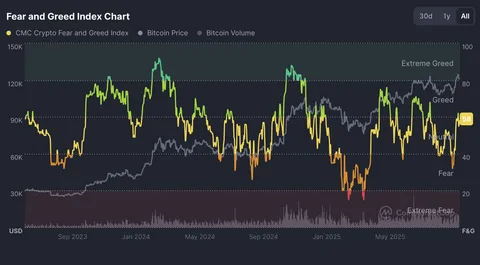
Bitcoin worst Q4 since 2018 has become a reality as the world’s leading digital asset struggles through what analysts are calling its most challenging fourth quarter in over half a decade. With prices plummeting from their earlier highs and trading volumes reflecting widespread uncertainty, both institutional and retail investors are grappling with questions about what comes next. The current Bitcoin price decline mirrors patterns last seen during the 2018 bear market, when the cryptocurrency shed more than 80% of its value before finding a bottom. Understanding why this quarter has proven so difficult and what factors are driving trader pessimism is essential for anyone holding digital assets or considering entering the market.
The stark reality facing cryptocurrency enthusiasts is that the traditional year-end rally many had anticipated has failed to materialize. Instead, Bitcoin quarterly losses have mounted steadily throughout October, November, and December, creating a scenario that challenges the conventional wisdom about seasonal cryptocurrency patterns. This article examines the technical indicators, macroeconomic factors, regulatory pressures, and market sentiment driving this downturn while providing actionable insights for navigating these turbulent waters.
Bitcoin Worst Q4 Since 2018 Phenomenon
The comparison to 2018 is particularly sobering for long-term cryptocurrency holders who remember that devastating bear market. During that period, Bitcoin experienced a catastrophic collapse that saw prices tumble from nearly twenty thousand dollars to below four thousand dollars. The cryptocurrency market downturn wiped out billions in market capitalization and forced numerous projects and exchanges into bankruptcy. Today’s situation, while not identical, shares several concerning similarities that have traders on edge.
Current data reveals that Bitcoin worst Q4 since 2018 represents more than just a simple price correction. The magnitude of selling pressure, combined with deteriorating technical indicators and weakening market structure, suggests deeper issues at play. Trading volumes during this quarter have shown consistent patterns of distribution, where larger holders appear to be systematically reducing their positions. This distribution phase typically precedes more significant price declines, which explains why experienced traders are positioning defensively.
The Q4 Bitcoin performance has been characterized by repeated failed attempts to break through key resistance levels. Each rally has been met with aggressive selling, creating a pattern of lower highs that technical analysts recognize as a bearish market structure. Unlike previous years where institutional adoption headlines drove sentiment and prices higher, this quarter has seen a conspicuous absence of positive catalysts. The enthusiasm that characterized earlier phases of the bull market has given way to cautious skepticism as participants reassess their risk exposure.
Macroeconomic Headwinds Driving the Cryptocurrency Market Downturn
The broader economic environment has played a crucial role in creating the conditions for Bitcoin worst Q4 since 2018. Central banks globally have maintained restrictive monetary policies aimed at controlling persistent inflation, keeping interest rates elevated for extended periods. This high-rate environment fundamentally changes the calculus for risk assets like cryptocurrency. When investors can earn substantial returns from government bonds and money market funds with virtually no risk, the appeal of volatile digital assets diminishes considerably.
The cryptocurrency market downturn cannot be separated from developments in traditional financial markets. Stock market volatility has increased as concerns about economic growth persist, corporate earnings disappoint expectations, and geopolitical tensions create uncertainty. When major equity indices experience selling pressure, cryptocurrency markets typically amplify those moves due to their higher volatility and smaller market capitalization. The correlation between Bitcoin and technology stocks has remained elevated, meaning weakness in the NASDAQ often translates directly into cryptocurrency selling.
Dollar strength has been another significant factor contributing to Bitcoin price decline. As the United States dollar has appreciated against most global currencies, dollar-denominated assets like Bitcoin have become relatively more expensive for international buyers. This creates a natural headwind for prices, particularly in regions where local currencies have weakened substantially. The phenomenon is especially pronounced in emerging markets, which historically have been important sources of cryptocurrency demand during periods of local currency instability.
Liquidity conditions in global financial markets have tightened considerably compared to the pandemic era when central bank stimulus created an abundance of capital seeking returns. The withdrawal of quantitative easing programs and the implementation of quantitative tightening has reduced the amount of money sloshing through financial systems. Since cryptocurrency markets benefited enormously from the liquidity surge during 2020 and 2021, the reversal of these conditions has created predictable pressure on prices.
Technical Analysis Points to Further Bitcoin Trading Predictions Weakness
From a technical perspective, the chart structure supporting Bitcoin worst Q4 since 2018 narrative shows multiple concerning developments. The breakdown below critical support levels that held throughout the summer months represents a significant shift in market character. Technical analysts monitor these support zones closely because their violation typically triggers cascading selling as stop-loss orders are activated and momentum-following algorithms initiate short positions.
Key moving averages that traders watch religiously have crossed in bearish configurations. The death cross, where shorter-term moving averages fall below longer-term ones, occurred in late October and has not been reversed despite several rally attempts. This technical pattern has historically preceded extended periods of weakness in Bitcoin markets. The fact that prices remain below these important moving averages even after multiple weeks suggests that the bearish trend has strengthened rather than exhausted itself.
Momentum oscillators including the Relative Strength Index and MACD have shown persistent weakness throughout this Q4 Bitcoin performance period. While these indicators occasionally flash oversold readings that spark short-term bounces, the rallies have consistently failed to generate enough momentum to reverse the broader downtrend. This pattern of weak bounces followed by renewed selling is characteristic of markets in distribution phases where the path of least resistance remains to the downside.
Volume analysis provides additional confirmation of weakening market structure. The Bitcoin quarterly losses have been accompanied by increasing volume on down days and diminishing volume during rally attempts. This volume signature indicates that sellers are more motivated than buyers, a classic sign of a market under distribution. Professional traders pay close attention to volume patterns because they reveal the true intentions of market participants beyond price action alone.
Regulatory Pressures Amplifying Digital Asset Volatility
The regulatory landscape surrounding cryptocurrency has become increasingly challenging, contributing significantly to Bitcoin worst Q4 since 2018 conditions. Governments and financial regulators worldwide have accelerated their efforts to bring digital assets under established regulatory frameworks. While some market participants view clear regulations as ultimately positive for legitimacy, the uncertainty during the implementation phase creates volatility and risk aversion.
Recent enforcement actions by regulatory bodies have cast a shadow over the entire cryptocurrency ecosystem. High-profile cases involving major exchanges and cryptocurrency projects have reminded investors of the legal and regulatory risks inherent in this emerging asset class. The cryptocurrency market downturn has been exacerbated by concerns that additional enforcement actions may target other prominent market participants, creating an environment where institutional investors hesitate to increase their exposure.
Proposed legislation in several major economies threatens to impose stricter requirements on cryptocurrency transactions, reporting obligations, and operational standards for companies in the space. The European Union’s Markets in Crypto-Assets regulation and ongoing discussions in the United States about comprehensive cryptocurrency legislation have created uncertainty about future operating conditions. This regulatory uncertainty typically manifests as increased risk premiums demanded by investors, which translates directly into lower asset prices.
Tax reporting requirements have become substantially more stringent in multiple jurisdictions, increasing the compliance burden for cryptocurrency holders and potentially discouraging participation. As tax authorities develop more sophisticated methods for tracking cryptocurrency transactions and identifying unreported gains, some investors may be liquidating positions to simplify their tax situations or avoid potential future complications. This systematic selling pressure adds to the weight of Bitcoin price decline throughout the quarter.
Institutional Investor Sentiment and Bitcoin Investor Sentiment Shifts
The Bitcoin worst Q4 since 2018 has been marked by a notable shift in institutional investor behavior compared to the enthusiasm that characterized 2021 and early 2022. Major financial institutions that previously announced cryptocurrency initiatives or made significant investments have become conspicuously quiet. Some have scaled back their digital asset operations or postponed planned launches of cryptocurrency products, signaling a reassessment of opportunity versus risk in current market conditions.
Survey data and sentiment indicators tracking Bitcoin investor sentiment have deteriorated to levels not seen since the previous bear market. The Fear and Greed Index, which aggregates multiple sentiment metrics, has spent most of the quarter in extreme fear territory. While contrarians sometimes interpret extreme fear as a buying opportunity, the persistence of negative sentiment without meaningful recovery suggests that this may be different from typical sentiment extremes that resolve quickly.
Corporate treasury allocations to Bitcoin have essentially stopped during this period. Companies that previously announced strategies to hold cryptocurrency on their balance sheets have not followed through with additional purchases at lower prices. This absence of corporate buying removes what had been an important source of demand during previous periods. The silence from corporate treasurers speaks volumes about their assessment of current risk-reward dynamics.
Cryptocurrency fund flows tell a similar story of diminishing enthusiasm. Digital asset investment products have experienced consistent outflows throughout the quarter as investors withdraw capital. Even products offering exposure to Bitcoin through regulated vehicles have struggled to attract new investment despite prices falling significantly from previous highs. This withdrawal of investment capital reflects both losses on existing positions and a broader risk-off mentality among portfolio managers.
Comparing Current Conditions to the Cryptocurrency Bear Market of 2018
The parallels between current market conditions and the cryptocurrency bear market of 2018 extend beyond simple price comparisons. The 2018 downturn was preceded by extraordinary euphoria, massive inflows of speculative capital, and the proliferation of questionable projects that attracted investment based more on hype than fundamental value. The subsequent correction brutally eliminated these excesses, forcing the market to rebuild on more sustainable foundations.
Today’s Bitcoin worst Q4 since 2018 situation shows similar characteristics of excess being wrung out of the system. The proliferation of meme tokens, non-fungible tokens with questionable utility, and various schemes promising unsustainable returns all mirror the excesses of 2017. Just as that earlier bubble required significant deflation, current market conditions suggest a similar cleansing process may be underway. The question facing investors is whether this represents healthy consolidation or the beginning of a more severe downturn.
The duration of the 2018 bear market extended much longer than most participants anticipated at the time. What began as a correction many expected to reverse within weeks or months instead persisted for more than a year, testing the resolve of even committed believers. The psychological toll of watching positions decline month after month eventually exhausted buying interest, creating conditions where prices could finally find a sustainable bottom. Whether the current cryptocurrency market downturn will follow a similar extended timeline remains a critical question.
One important difference between 2018 and today involves the level of institutional involvement and infrastructure development in cryptocurrency markets. The ecosystem supporting Bitcoin and other digital assets has matured considerably with regulated custody solutions, derivatives markets, and institutional-grade trading platforms. This infrastructure could theoretically provide stability absent during previous downturns, though it also enables more sophisticated selling pressure through derivatives and lending markets.
Bitcoin Technical Analysis Indicators Suggesting Lower Prices Ahead
Detailed Bitcoin technical analysis reveals multiple indicators aligned in bearish configurations that support trader predictions of further declines. The monthly chart shows the formation of bearish candlestick patterns that historically have preceded significant corrections. When these patterns appear on longer timeframes, they typically indicate that the market character has shifted for an extended period rather than representing short-term volatility.
Fibonacci retracement levels calculated from the previous bull market highs to lows show that prices have decisively broken below the critical 61.8% retracement level. Technical traders view this Fibonacci level as a line in the sand between bullish and bearish market structures. The failure to hold above this level and subsequent retests from below that have been rejected suggests that the market structure has firmly shifted to a bearish posture consistent with Bitcoin worst Q4 since 2018 conditions.
Elliott Wave theorists examining long-term price patterns suggest that Bitcoin may be in the early stages of a corrective wave structure that could see prices retreat substantially further before the correction completes. While Elliott Wave analysis can be subjective, multiple respected practitioners have identified similar patterns suggesting additional downside remains probable. These wave counts align with other technical indicators pointing toward further weakness.
On-chain metrics that analyze blockchain data provide additional concerning signals. The spent output profit ratio, which measures whether coins moving on-chain are showing profits or losses, has indicated increasing losses realized by holders. When this metric shows consistent loss realization, it typically suggests that weak hands are being shaken out, a process that often continues until capitulation levels are reached. The network value to transactions ratio has also deteriorated, suggesting that current prices may not be supported by underlying network activity.
Impact of Cryptocurrency Exchanges and Market Structure Issues
The infrastructure through which most people access cryptocurrency markets has experienced significant stress during this Bitcoin worst Q4 since 2018 period. Several smaller exchanges have faced liquidity challenges, causing concern about counterparty risk among traders. While major exchanges have remained operational and solvent, the failure of even minor players reminds participants of the structural vulnerabilities that exist within cryptocurrency market infrastructure.
Deleveraging across the cryptocurrency ecosystem has accelerated throughout the quarter as lenders tighten credit standards and borrowers reduce their exposure. The cryptocurrency lending market that expanded rapidly during the bull market has contracted sharply, forcing liquidations and reducing the amount of leveraged buying power available. This deleveraging creates a self-reinforcing cycle where falling prices trigger more liquidations, which creates additional selling pressure, pushing prices lower and triggering more liquidations.
Market depth, which measures the volume of buy and sell orders available at various price levels, has deteriorated significantly during this Q4 Bitcoin performance period. Thinner order books mean that relatively small orders can move prices more dramatically, increasing volatility and making it more difficult for large investors to enter or exit positions without significantly impacting market prices. This reduced liquidity is both a cause and consequence of the current downturn.
The derivatives market structure has also contributed to volatility during this period. Open interest in Bitcoin futures and options has declined substantially, but the positioning of remaining participants skews bearish. High levels of short interest in futures markets and significant put option volume suggest that professional traders have positioned for further declines. While this positioning could set up a short squeeze if prices unexpectedly rally strongly, it more immediately creates additional selling pressure on the spot market.
Global Economic Uncertainty and Digital Asset Volatility
The cryptocurrency market downturn is unfolding against a backdrop of significant global economic uncertainty. Trade tensions between major economies, concerns about debt sustainability in developed markets, and slowing growth in emerging economies all contribute to a risk-off environment where speculative assets struggle. Bitcoin, despite its proponents positioning it as digital gold, has traded more like a risk-on technology asset, declining when broader risk sentiment deteriorates.
Banking sector stress that emerged earlier in the year initially triggered flight-to-quality moves that briefly supported cryptocurrency prices as some participants sought alternatives to traditional banking. However, as the immediate crisis passed and underlying economic concerns persisted, the initial boost faded. The resolution of banking sector concerns without triggering broader financial contagion removed one potential catalyst that could have supported cryptocurrency prices during this difficult quarter.
Geopolitical tensions in multiple regions have created uncertainty that typically reduces risk appetite among global investors. While previous periods of geopolitical stress sometimes saw capital flow into Bitcoin as a neutral, borderless store of value, the current environment has not produced this effect. Instead, investors have favored traditional safe havens like government bonds and gold, leaving cryptocurrencies to suffer along with other risk assets during periods of heightened geopolitical concern.
Energy prices and their impact on cryptocurrency mining economics represent another factor influencing the Bitcoin price decline. Mining operations, which secure the Bitcoin network and introduce new supply, require substantial electricity consumption. When energy prices rise, mining becomes less profitable at given Bitcoin price levels, potentially forcing some miners to sell holdings to cover operational costs. This mining-related selling adds to the overall supply pressure facing markets.
What Smart Investors Are Doing During Bitcoin Quarterly Losses
While the Bitcoin worst Q4 since 2018 has created challenging conditions, experienced investors recognize that periods of maximum pessimism have historically provided the best long-term entry opportunities. The key distinction between successful cryptocurrency investors and those who suffer permanent capital loss often comes down to how they respond during difficult markets. Those with conviction based on fundamental analysis of the technology and its long-term potential view corrections as accumulation opportunities rather than reasons to panic.
Dollar-cost averaging strategies have gained prominence among investors who believe in Bitcoin’s long-term value proposition but acknowledge the impossibility of timing the exact bottom. By systematically purchasing fixed dollar amounts at regular intervals, these investors accumulate positions at average prices that typically prove attractive once markets eventually recover. This approach removes the emotional difficulty of trying to catch falling knives while ensuring participation in any recovery.
Risk management has become paramount as the cryptocurrency market downturn has intensified. Professional investors emphasize the importance of position sizing appropriate to risk tolerance, maintaining adequate liquidity to avoid forced selling, and diversifying across multiple assets and strategies. The investors suffering most during this period are typically those who became over-concentrated in digital assets during the enthusiasm of the bull market without maintaining balanced portfolios.
Some sophisticated market participants have deployed hedging strategies using derivatives to protect existing positions while maintaining long-term exposure. Put options, futures contracts, and other instruments allow investors to buy insurance against further declines while preserving the upside participation if conditions improve unexpectedly. While these strategies involve costs and complexity, they enable committed investors to maintain conviction positions without accepting unlimited downside risk during uncertain periods.
Analyzing Historical Q4 Bitcoin Performance Patterns
Understanding historical patterns in Q4 Bitcoin performance provides useful context for evaluating current conditions, though past performance never guarantees future results. Cryptocurrency markets have experienced several boom-bust cycles, each with unique characteristics but also common elements. The fourth quarter has historically been volatile for Bitcoin, with some years producing spectacular rallies and others seeing significant declines.
The 2018 fourth quarter remains the most severe on record before the current period, with prices collapsing from approximately six thousand dollars to below four thousand dollars by year-end. That decline represented the climax of a year-long bear market that exhausted selling pressure and eventually set the stage for the subsequent recovery. Understanding how that bottom formed and what signaled the shift from bear market to accumulation phase provides valuable lessons for current conditions.
Conversely, several fourth quarters have produced remarkable rallies that caught short sellers and skeptics off guard. The 2020 Q4 saw Bitcoin surge past its previous all-time high as institutional adoption accelerated and pandemic-related stimulus flooded financial markets with liquidity. The 2017 Q4 witnessed a parabolic advance that captured mainstream attention and brought cryptocurrency markets to new heights before the subsequent correction.
Statistical analysis of quarterly returns shows that Q4 has historically been slightly more volatile than other quarters, with both the largest gains and steepest losses occurring during October through December. This volatility likely reflects year-end portfolio rebalancing, tax considerations, and the concentration of major cryptocurrency conferences and events that historically occurred during this period. Understanding this seasonal pattern helps contextualize current weakness within broader historical norms.
The Role of Media Coverage in Amplifying Bitcoin Investor Sentiment
Media narratives surrounding cryptocurrency markets tend toward extremes, oscillating between unbridled enthusiasm during rallies and doom-laden pessimism during corrections. The Bitcoin worst Q4 since 2018 has naturally attracted significant negative media attention, with headlines emphasizing losses, failed predictions, and systemic risks. This negative coverage can become self-reinforcing as it influences Bitcoin investor sentiment and potentially triggers additional selling from those swayed by bearish narratives.
Mainstream financial media has largely shifted from covering cryptocurrency primarily as a curiosity or technology story to treating it as a legitimate asset class worthy of serious analysis. This maturation has benefits but also means that market corrections receive more prominent coverage than they might have previously. When major financial publications publish bearish cryptocurrency stories, they reach audiences that might not otherwise pay close attention to daily price movements, potentially accelerating sentiment deterioration.
Social media dynamics have evolved considerably since the 2018 bear market, with cryptocurrency communities spread across multiple platforms and influenced by different information sources. The fragmentation of cryptocurrency discourse means that sentiment can vary significantly across different online communities, with some maintaining bullish conviction while others turn deeply pessimistic. This fragmentation can create divergent experiences of the same market conditions depending on which communities individual investors engage with.
The proliferation of cryptocurrency influencers and content creators has created an ecosystem where attention and engagement often reward extreme positions over nuanced analysis. During the cryptocurrency market downturn, some influencers pivot to bearish content to maintain relevance and viewership, potentially amplifying negative sentiment beyond what fundamental conditions warrant. Understanding these dynamics helps investors separate signal from noise when consuming cryptocurrency-related media.
Future Outlook and Bitcoin Trading Predictions for Coming Quarters
Looking beyond the immediate challenges of Bitcoin worst Q4 since 2018, the longer-term outlook depends on multiple evolving factors. The resolution of current macroeconomic uncertainties, particularly regarding inflation and central bank policies, will significantly influence whether conditions improve or deteriorate further. If central banks successfully engineer soft landings for their economies without triggering recessions, risk appetite could return and support cryptocurrency markets. Conversely, economic contraction would likely extend the cryptocurrency bear market.
Bitcoin trading predictions from professional analysts range widely, reflecting genuine uncertainty about near-term direction. Some technical analysts project further declines toward psychological support levels substantially below current prices, arguing that markets need to fully capitulate before sustainable bottoms can form. Others point to improving on-chain metrics, decreasing exchange balances, and oversold technical conditions as evidence that most of the correction may already be behind us.
The development and potential approval of additional cryptocurrency financial products, particularly spot Bitcoin exchange-traded funds in major markets, represents a potential catalyst that could shift sentiment and attract new capital. Regulatory clarity regarding these products has improved in some jurisdictions, though the timeline for implementation remains uncertain. If approved and successfully launched, these products could provide convenient access for institutional and retail investors who have remained on the sidelines.
Technological developments within the Bitcoin ecosystem continue regardless of price action, with improvements to scalability, privacy, and functionality proceeding on various timelines. The Lightning Network has continued growing, programmability through protocols built on Bitcoin has advanced, and institutional infrastructure has matured. These fundamental developments support the long-term value proposition even as short-term price action remains challenging.
Lessons from Previous Cryptocurrency Market Cycles
Every cryptocurrency market cycle teaches important lessons that informed investors carry into subsequent periods. The Bitcoin worst Q4 since 2018 represents another chapter in the ongoing evolution of digital asset markets, providing opportunities to learn from both successes and failures. Perhaps the most important lesson from previous cycles is that extreme valuations in either direction tend to be temporary, with prices eventually gravitating toward levels supported by fundamental adoption and utility.
The importance of maintaining perspective during emotional extremes cannot be overstated. During the euphoria of bull markets, prices can appear poised to rise indefinitely as each new high reinforces bullish narratives. Conversely, during the despair of bear markets like the current cryptocurrency market downturn, it can seem like prices will never recover. History shows that both extremes prove wrong, with markets eventually finding equilibrium between these emotional poles.
Risk management practices that seem excessive during good times prove their value during corrections. Investors who maintained diversified portfolios, avoided excessive leverage, and sized positions appropriately to their risk tolerance navigate downturns far better than those who became over-concentrated during enthusiasm. The discipline to implement these practices during good times, when they seem unnecessary, separates successful long-term investors from those who suffer permanent capital loss.
Conclusion
For those maintaining long-term conviction in cryptocurrency as an asset class and technology, periods like the current Bitcoin worst Q4 since 2018 represent opportunities to accumulate at prices that may prove attractive in hindsight. For those uncertain about their risk tolerance or conviction, the current environment provides important lessons about the volatility inherent in emerging asset classes. Regardless of individual positioning, understanding the dynamics driving current conditions enables better decision-making about how to proceed.
As we close out this historically difficult quarter, the cryptocurrency community faces crucial questions about what comes next. Will the Bitcoin quarterly losses extend into the new year, potentially matching or exceeding the severity of the 2018 bear market? Or will improving conditions, stabilizing macroeconomics, and renewed interest from institutional investors provide the foundation for recovery? While nobody can predict the future with certainty, those who understand the lessons of previous cycles and maintain disciplined approaches to risk management will be best positioned to navigate whatever comes next in this ever-evolving market.
Stay informed about Bitcoin’s worst Q4 since 2018 developments by following reliable cryptocurrency news sources, monitoring technical indicators, and maintaining a long-term perspective that extends beyond short-term volatility. Whether you’re an active trader managing positions daily or a long-term holder weathering temporary storms, understanding the factors driving current market conditions is essential for making decisions aligned with your investment goals and risk tolerance.
See more;MicroStrategy Bitcoin Purchase 2025: Worst Investment or Genius?
